
$166B+ in Tariff Refunds Are Processing – Is Yours Among Them?
Now’s the time for shippers to get back the money they spent in IEEPA-related tariffs.
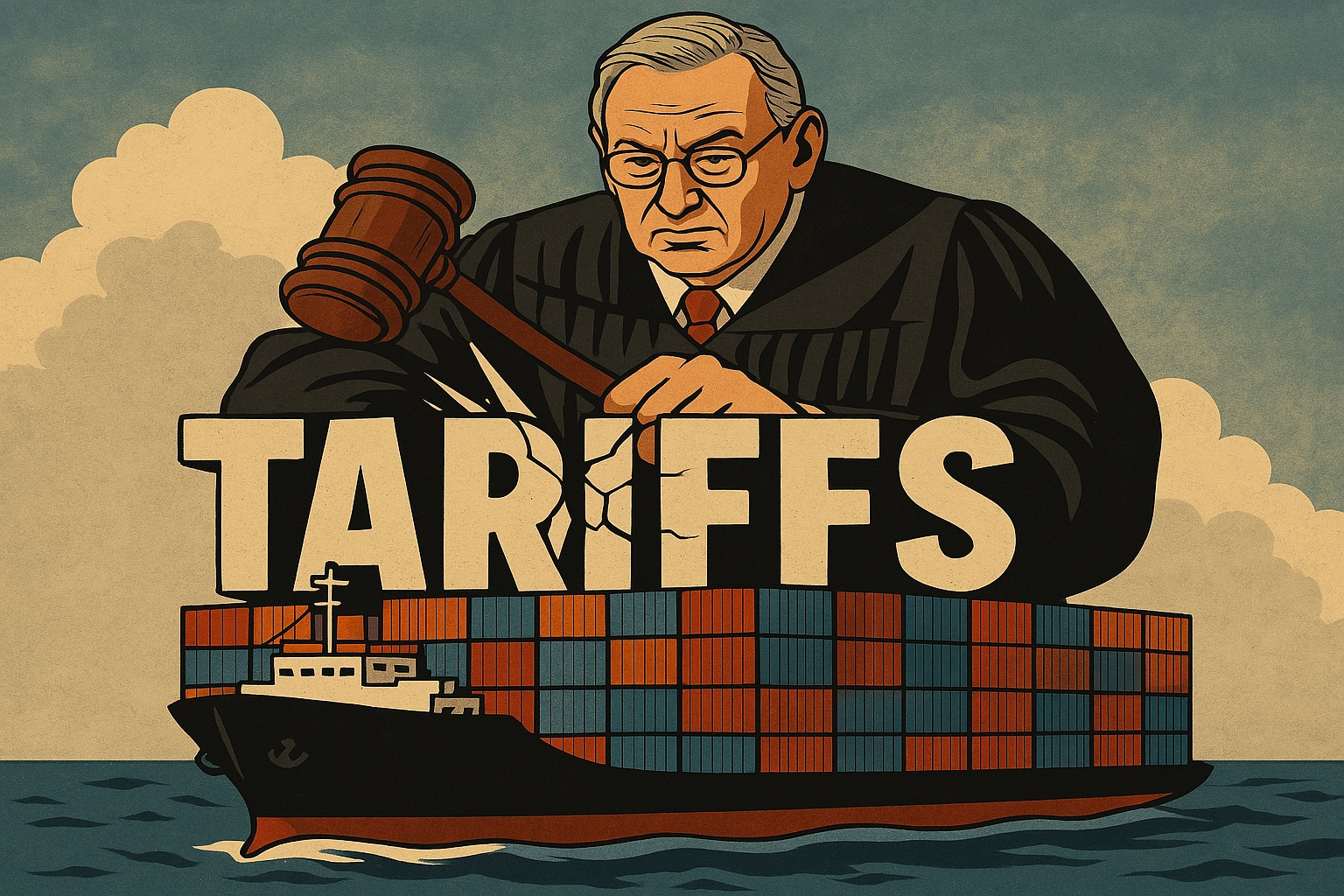
All-Ways reported in an email blast that “more than $166 billion in tariff refunds are now moving through the federal refund process following the Supreme Court’s decision earlier this year.”

The federal government launched its CAPE portal for processing tariff refunds on Monday. The CAPE portal operates inside the previously existent ACE portal.
Thus, shippers need to make sure they have active ACE portal access and up-to-date banking information for ACH payments to apply for refunds. The submission process is open and ongoing, and Universal Cargo can help you through the process.
New Tariffs on the Way
Meanwhile, the Trump Administration has moved to Section 301 of the Trade Act of 1974 to replace the IEEPA-authorized tariffs the Supreme Court struck down.
Section 301 requires investigations into trade partners and will certainly be challenged legally, as the IEEPA tariffs were. However, previous legal challenges of Section 301 tariffs have proven ineffective. That includes challenges that happened from 2018 to 2020, during President Trump’s first term in office.
With their coinciding investigations, Section 301 tariffs have more established legal framework for unilateral action against unfair trade practices of other countries. These tariffs also do not have the 150-day limit of the Section 122 tariffs President Trump enacted right after the Supreme Court struck down his IEEPA-authorized ones.
New Section 301 tariffs haven’t been implemented yet, but the investigations required to put them in place are underway.
Shippers Should Prepare
Ultimately, shippers need to strategize for continuing tariffs under the Trump Administration. Such tariffs are also likely to last beyond his administration, even if it’s followed by an administration from the Democrat Party.
When President Biden came into office after President Trump’s first term, his administration went to work on getting rid of every Trump policy it could. But conspicuously, it didn’t remove Trump’s tariffs. In fact, the Biden Administration eventually added to President Trump’s tariffs.
Strategies to handle continued high tariffs could include switching goods suppliers to import from countries with lower tariffs or going with domestic suppliers. There’s also the tariff absorption model from the toy industry we talked about in Tuesday’s blog.
And businesses benefitting from tariff refunds may want to find ways to share some of their return costs with their customers. There have been growing numbers of online comments from consumers showing discontent with businesses receiving tariff refunds, thinking they’ll pocket it after having passed costs on to the consumers. Benevolence toward consumers from businesses concerning tariff refunds could help build satisfied customer bases.